

10 Things You Can and Can’t Put in a Roll-Off Dumpster

Updated: Apr 4
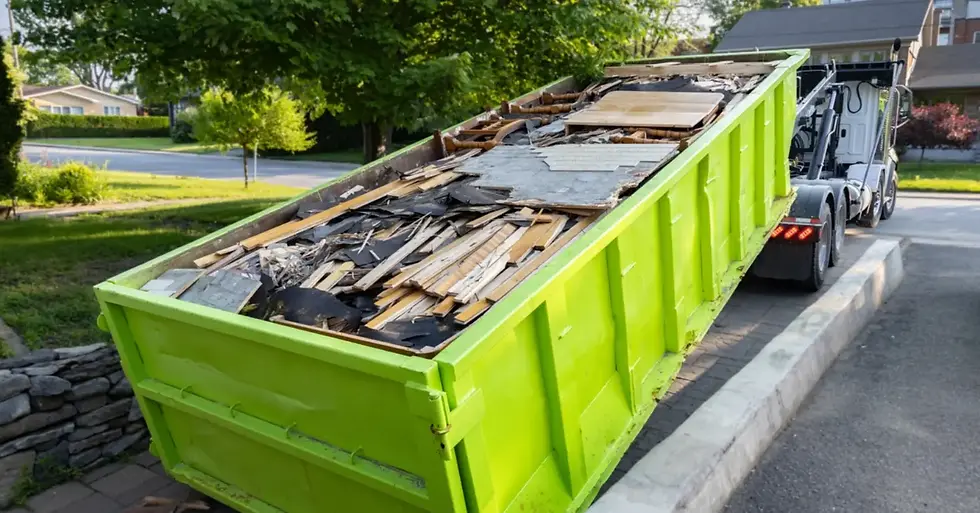
A dumpster rental is essential for large home projects, remodels, and jobsites that generate debris. They simplify waste disposal and keep projects running smoothly, but there are certain things you can and can’t put in a roll-off dumpster. Landfill regulations and safety standards control what enters the waste stream, and neglecting those rules can result in delays, environmental harm, and fees. Get familiar with the rules below so you can pull off a successful project.
Things You Can Throw Away
These materials typically qualify for disposal in a standard roll-off dumpster, but always confirm details with your rental provider before loading, as local regulations can vary.
Household Junk
Most general household clutter can go into the dumpster. Old couches, chairs, tables, shelving units, and nonhazardous decor items are bulky, but they don’t contain regulated chemicals or pose disposal challenges.
Breaking down large furniture is a smart strategy. Disassembling bulky items maximizes space and distributes weight more evenly across the container. This prevents one heavy corner from making your dumpster unstable during transport. Plus, you’ll fit more items, so you don’t need a second rental.
Construction Debris

Drywall, lumber, trim, and framing materials commonly fill dumpsters during renovation projects. These materials don’t pose environmental hazards under normal conditions, making them ideal candidates for standard disposal.
Contractors and DIY remodelers rely on roll-offs to maintain clean, organized jobsites. Removing debris quickly allows crews to work more efficiently and reduces tripping hazards. A cluttered workspace slows everyone down and increases the risk of injury, so keeping a dumpster on-site keeps your project safe and on track.
Flooring Materials
You can usually dispose of carpet, laminate, vinyl flooring, and tile in a roll-off dumpster. These materials accumulate surprisingly fast during upgrades and replacements, and they’re often the heaviest part of an interior remodel.
Roll carpet tightly to conserve space, and consider cutting it into manageable sections if you’re dealing with a large area. Stack rigid flooring materials such as tile and hardwood neatly to prevent shifting during transport. This will reduce the risk of damaging the container or creating an unsafe load.
Yard Waste
Branches, brush, leaves, and small landscaping debris often qualify for disposal. A dumpster provides a central collection point during storm cleanup or yard renovations. That said, avoid mixing yard debris with other materials whenever possible. Clean, separated loads simplify processing at the landfill or transfer station.
Roofing Shingles
Roofing projects generate heavy, dense debris that accumulates quickly. Asphalt shingles typically qualify for disposal, but they add weight, so you’ll want to plan accordingly. Spread shingles evenly across the container floor to prevent weight imbalance. An unevenly loaded dumpster can be dangerous to transport and may require rebalancing before the hauler can take it away.
Things You Can’t Throw Away
Certain materials require special disposal due to environmental, safety, or legal concerns. Placing these items in a dumpster can result in rejected loads, additional charges, or even fines in some jurisdictions.
Hazardous Chemicals and Liquids
You should never place paint, solvents, pesticides, motor oil, or cleaning chemicals in a roll-off dumpster. These substances contaminate soil and groundwater when they leak, creating long-term environmental damage. Local hazardous waste facilities accept these materials and process them safely through specialized treatment methods. Disposing of chemicals properly protects public health and the environment.
Batteries
Household and automotive batteries contain heavy metals such as lead, mercury, and lithium. These metals can ignite under pressure or leak harmful chemicals that contaminate the surrounding waste.
Recycling centers and auto parts stores often accept used batteries at no charge. Proper recycling prevents environmental damage and recovers valuable materials that can be reused in new products. Some retailers even offer rebates when you bring in old batteries, turning responsible disposal into a financial benefit.
Appliances With Refrigerants
Refrigerators, freezers, and air conditioners contain regulated refrigerants that, if released, harm the ozone layer and contribute to climate change. These pose serious legal issues. Federal law requires certified professionals to remove refrigerants before disposal, so contact a recycling center or appliance retailer for proper handling. Many retailers will pick up old appliances when they deliver new ones, and they’ll handle the refrigerant removal as part of the service. It’s a convenient solution that ensures compliance with environmental regulations.
Tires
Landfills don’t accept standard vehicle tires in most cases. Tires trap air and create voids within landfill cells, which causes structural problems and reduces the landfill’s capacity over time. Many recycling programs repurpose tires into useful products such as rubberized asphalt, construction materials, or playground surfaces. Delivering tires to an approved facility ensures responsible reuse and keeps these bulky items out of waste streams where they don’t belong.
Electronics and E-Waste
Televisions, computers, printers, and other electronics contain components that require specialized processing. Circuit boards hold valuable metals such as gold and copper, while screens contain chemicals that shouldn’t enter general waste streams.
Look for designated e-waste collection events or electronics recycling centers in your area. Many communities host regular collection days, and some retailers accept electronics year-round. Responsible recycling reduces landfill volume, prevents toxic materials from leaching into soil, and recovers reusable materials that would otherwise be lost.
Why These Rules Are Important
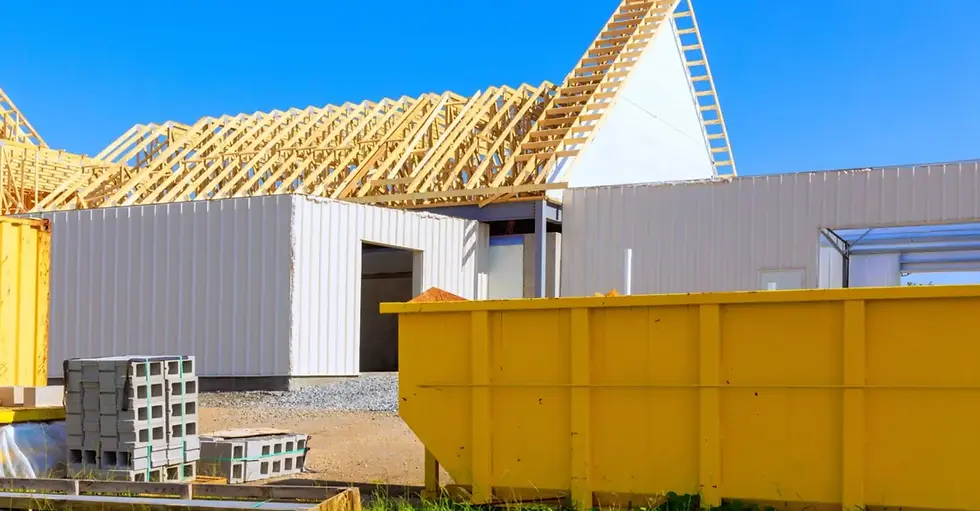
Landfills operate under strict environmental guidelines designed to protect groundwater, air quality, and surrounding communities from contamination. Following disposal rules reduces contamination risks and prevents safety hazards during transportation. Waste haulers inspect loads before accepting them, and they may reject containers that include prohibited materials. This can delay your project and increase costs, as you’ll need to sort through everything and find alternative disposal methods.
Planning for a Smoother Rental Experience
Heavy materials such as shingles, concrete, or tile require careful distribution inside the container. Concentrate weight near the center and bottom, and avoid piling everything on one side. Load your dumpster evenly, and keep debris below the top edge to maintain safety during transport.
Overfilled dumpsters create safety risks. Debris can shift during transport, fall onto roadways, or injure hauling crews. If you overfill your container, the company may require unloading before they can safely transport it, which can delay your project.
Knowing you can and can’t put in a roll-off dumpster will help you avoid unexpected fees, protect the environment, and keep your timeline intact. If you’re planning a project in the Treasure Valley, Gem State Dumpsters provides reliable 15-yard and 20-yard roll-off garbage dumpster rentals. Contact us today to reserve your dumpster!


Comments