

Where You Should and Should Not Place a Dumpster Rental

Updated: Apr 4
Planning a renovation, cleanout, or landscaping project requires many logistical decisions. You must select materials, hire contractors, and set a timeline. However, one detail often slips through the cracks until the delivery truck pulls up: the drop-off spot for your waste container.
Choosing the right location for your dumpster ensures a smooth project from start to finish. The wrong spot can cause property damage, city fines, or safety hazards. It can also impact how easily you can load debris and how efficiently the driver can remove the bin once you finish the job.
We want to help you make the best decision for your property and your project. This post breaks down where you should and should not place a dumpster rental so you can prepare your site with confidence.
The Ideal Spot: A Flat Driveway
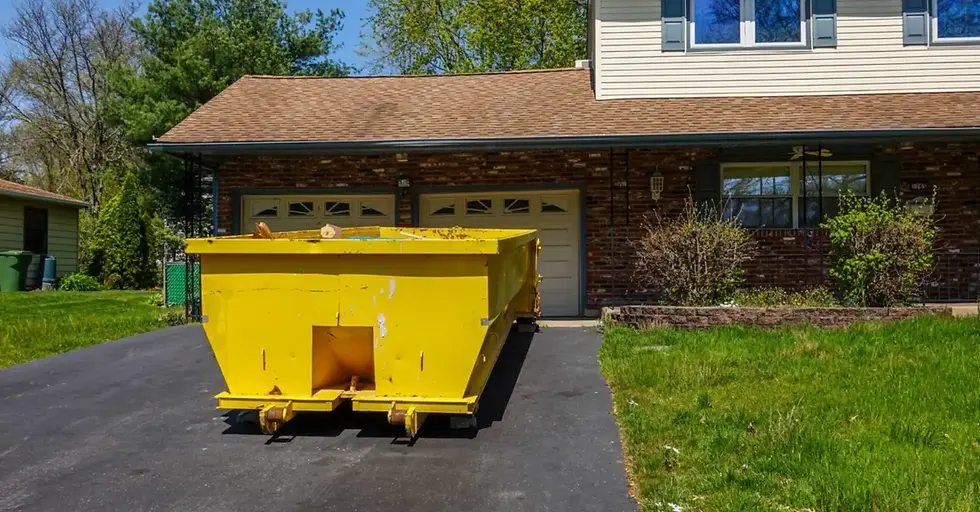
The driveway is the best location for most residential projects. It keeps the container on your private property, which eliminates the need for city permits. It also keeps the dumpster close to your house or garage so you don’t have to carry heavy debris too far.
Roll-off dumpsters work best on flat ground. A level surface ensures the container’s door operates correctly. If you place a bin on a steep incline, gravity will work against you, and the heavy steel door will be dangerous to open and close. A level surface also makes loading the dumpster easier and safer.
A Hard and Stable Foundation
Concrete driveways usually handle the weight of a roll-off container better than other surfaces. Concrete provides a rigid, stable base that resists indentations. Asphalt can also work, but it behaves differently under stress. For example, it will soften in the heat of an Idaho summer. A heavy bin might leave divots or impressions in hot asphalt if you do not take precautions. We always recommend placing wood planks under the dumpster wheels to distribute the weight, regardless of the surface material.
Where To Avoid Placing Your Dumpster

Some spots pose risks. Avoid these problem areas to protect your property and prevent headaches during pickup.
Soft Ground and Lawns
You might feel tempted to place the dumpster on your lawn to save driveway space. This is almost always a bad idea. Heavy waste containers sink into soft soil. Even a small, empty dumpster weighs thousands of pounds. That weight increases dramatically once you fill it with debris.
Rain or sprinklers turn soil into mud. When the truck returns to pick up the heavy bin, the tires can tear up your grass, leave deep ruts, and compress the soil. In a worst-case scenario, the truck could get stuck, requiring a tow and causing extensive landscape damage. Keep the bin off the grass to keep your yard pristine.
Over Underground Utilities
Your yard hides many fragile systems just beneath the surface. Sprinkler lines, septic tanks, and drainage pipes cannot support the weight of a roll-off truck or a full dumpster. Crushing a sprinkler head is an annoyance, but collapsing a septic tank is a financial disaster.
Identify where your utility lines run before the driver arrives. If you must place the bin near these areas, mark them clearly. However, the safest route is to keep heavy equipment far away from any underground infrastructure.
On Steep Slopes
We touched on this regarding driveways, but it bears repeating. Steep slopes create danger. Drivers cannot safely unload a dumpster on a severe incline. Even if they manage to drop it off, loading it will be a nightmare. You have to fight gravity every time you open the door or toss in a trash bag.
Public Streets and Right-of-Way
Sometimes, a driveway simply doesn’t offer enough space. In these cases, you might look to the street. While street placement is common, it introduces rules and regulations.
City Permits and Regulations
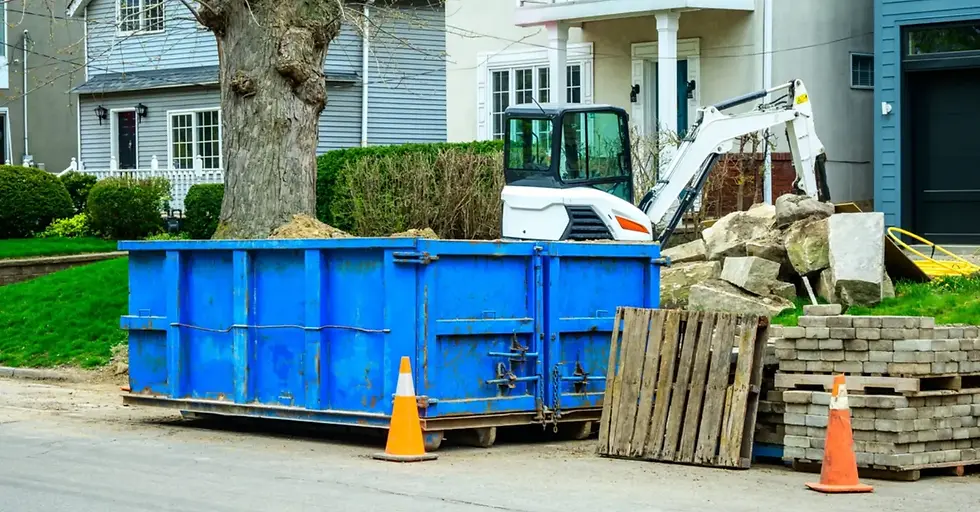
Most cities, including Boise and surrounding Treasure Valley communities, prohibit placing private dumpsters on public streets without permission. You typically need a right-of-way permit. This ensures the bin does not block traffic, bike lanes, or emergency vehicle access.
If you skip the permit, you risk receiving a citation or having the city order the immediate removal of the dumpster. Always check with your local city clerk or public works department before assuming the street is an option.
Neighborhood Considerations
You must respect your neighbors. A dumpster on the street takes up parking space, and it can block sightlines for drivers backing out of driveways. If you choose street placement, use cones or reflective tape to increase visibility, especially at night. Communication goes a long way here. Let your neighbors know your timeline so they understand when the street will clear up.
Accessibility for the Delivery Truck
You might find the perfect spot for the dumpster, but if the truck cannot reach it, that spot is useless. Roll-off trucks are large and heavy, and they require ample room to maneuver.
Vertical Clearance
Drivers need vertical space to raise the truck’s hydraulic bed and slide the dumpster off. Look up before you book. Lo w-hanging tree branches, power lines, and roof eaves create obstacles. A standard roll-off truck needs about 22 to 25 feet of vertical clearance to operate safely. If trees hang low over your driveway, the driver cannot drop the bin there.
Maneuvering Space
The truck needs room to back in straight. Narrow alleys or driveways lined with parked cars make delivery difficult or impossible. The driver requires a straight approach to align the rails with your chosen spot. Measure your entry width. Most trucks need at least 10 feet of width to navigate safely.
Obstructions on the Ground
Clear the path before the truck arrives. Move vehicles, kids’ toys, hoses, and equipment out of the way. The driver cannot wait for you to clean the driveway. A clear path allows for a quick, precise drop-off.
Dealing With HOAs
Homeowners associations (HOAs) often have strict bylaws regarding dumpster rental services and waste management containers. Some HOAs forbid dumpsters completely, while others allow them but limit the rental duration to a few days. They might require you to hide the bin behind a fence or gate.
Review your CC&Rs (covenants, conditions, and restrictions) before you schedule delivery, as ignoring these rules can result in fines from your HOA board. If you need a dumpster but face strict time limits, plan your labor accordingly to load the bin and have it removed within the allowed window.
Make Your Project Easier
Proper dumpster placement sets the tone for your cleanup project. It allows you to work efficiently, keeps your property safe, and ensures the pickup process goes smoothly. Avoid common mistakes such as blocking utilities or choosing soft ground, and you’ll save time and money.
Now that you know where you should and should not place a dumpster rental, you can prepare your site for a successful delivery. When you are ready to start your cleanup, count on us for reliable service and transparent pricing. We prioritize your schedule and respect your property. Contact Gem State Dumpsters today to book a container for your next project.


Comments